Sunday, October 25, 2015

The Life of a Product

Hello guys! Last time we talked we discussed basis of the creation of new products. To go along with that theme we will be discussing how long products lasts in the market and the multiple stages involved. This idea is called the Product Life Cycle, which again talks about how a product goes through the marketplace. There are four stages and as you can imagine the first one is the Introduction Stage. During the Introduction stage the company will experience an increase in expenses as there is a lot of money that has to be spent on marketing to make the consumers aware of the product and thus causing them to purchase. An example of a product in the introduction stage would be Keurig Kold, this will be a special Keurig that is used to make soda, something similar to that of a soda stream. What makes the Keurig unique is that they have pods with the soda brands we all know like Coca-Cola and you do not have to worry about the C02 component, which is convenient as all Keurig products are.


The next stage in the cycle is the Growth stage, as you can imagine at this stage is when the product really begins to create profits. This is because the advertisements have gained major awareness to the point that consumers are more than willing to purchase the product. On the other hand at this stage, competition begins and therefore companies often make alterations to their product to make their products stand out and creating brand loyalty. An example of a product in the growth stage would be smart watches. Once the Apple Watch was released other companies were itching to get a model of their own in the market. Apple, due to prestige has been able to maintain their brand loyalty among consumers despite the higher price. Apple also makes modifications to better the product, as do competitors. With this, I believe in the smart watch industry, Apple succeeds because of their innovation, quality and brand loyalty.


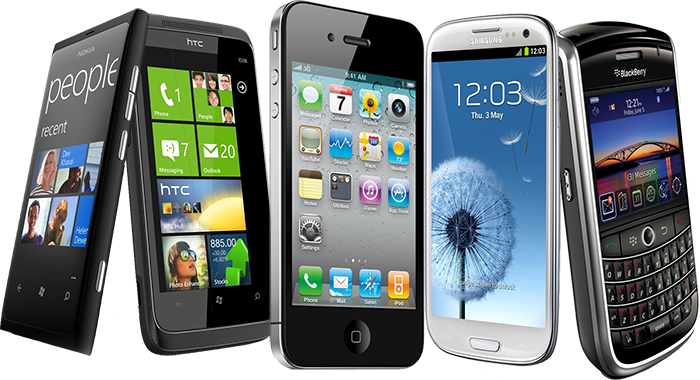
The third stage of the cycle is Maturity, at this stage profits decrease because majority of consumers are repeat consumers. In addition, profits also decrease because of the strong competition in the industry. An example of this would be smartphones in general. Although, I believe that Apple is still the most popular brand in that industry, it is also expensive. With this many consumers are going to other brands because they offer the same technology or better at a reduced rate.


The final stage as you can imagine is Decline. During this stage profits drop significantly and can cause a company to eliminate a product entirely (Product Deletion). In regards to technology, some examples of products that have reached decline would be desktop computers. Although, they are still prevalent in society they are not as common as the laptop or tablet.


Do you guys remember MP3 players? I do, I remember being so excited when my mom got me one. Currently, you probably cannot find anyone who still has a MP3 player. With the advanced technology of our society today, most consumers have smartphones and thus are capable of having music on their phones. Even the IPod is in decline, because if you have an IPhone then you basically have an IPod as well. Everything that we need is being put into one product and in the near future there will be many more declining products. What products do you guys think are in the Introduction, Growth, Maturity or Decline Stage? Just look around or on social media and you will be able to find examples rather quickly. Alright guys, that’s all for today! Talk to you guys in the next post!
New Products & Services!!

Hello Guys! In our last blog we discussed the purchasing decision process. Now we are going to discuss the products and services that companies create to convince us to buy. First, let’s talk about the categories of things that companies try to sell to consumers. The larger, overarching topic is a product which is a good, service or idea that can have intangible or tangible aspects as a means of satisfying the consumer’s needs. Within that, a good is a tangible item that can appease some or all of the five senses (Kerin, Hartley, Rudelius, p. 248, 2015). For instance, a smartphone is identified as a good because it is tangible and the consumer can feel it, see it and hear it. A service on the other hand is an intangible item that satisfies consumer’s needs via the exchange of money from the consumer.
Now that we have the basis out of the way we can look more at the thought process a company goes through before introducing a new product. It’s easiest for companies to products that are under the category of continuous innovation. These products do not require much work done but us the consumers, which is nice as it makes it easier for us to decide to purchase the product. An example of this would be the release of the new IPhone 6S, although it is new it is a continuous product as it does not require much change in the consumer’s behavior when using the product.


The next category of products are dynamically continuous innovative products. These products, although new to consumers, the company does not have to provide too much information to use the products. An example of this that we discussed in class was the new Keurig line collaboration with Campbell’s Soup. The Keurig machine would still be the same but consumers would have to add a step to gain a nice mug of soup. The idea is to empty a packet of noodles into a mug and select a broth to brew. After a few minutes, you would have a mug of warm, Campbell’s Soup. Interesting right!


 A category of products that may be more difficult to introduce would be a discontinuous product, this is because it requires new learning by the consumer. This creates another step for the consumer before they can have their needs satisfied. An example of a discontinuous innovative product would be an electric car; although the consumers using it would have knowledge of how to use a car they would have to learn how to charge it. They would also have to change their whole driving process, as the charge only last a certain amount of miles and the consumer will have to make sure they a prepared if they need to travel further than the allotted time.


With all of this information, there is so much that a company must go through before deciding if they want to add a new product to their brand. There is a seven stop process that the image above depicts. Companies go through this process as a means to prevent products from failing which we all know is important to increase the bottom line. It involves a lot of work from gathering ideas from internal/external sources to conducting survey’s or focus groups to see if consumers would like the product. Alright guys, hopefully you guys have some idea about the different types of products in the industry. See you all soon!